


Wing - Drone delivery
4.8828.00 Reviews
App Specs
- Version
- Varies with Device
- Updated On
- License
- Free
- Downloads
- 100,000+
- Developer
- Wing Aviation LLC
- Categories
- Shopping
- Platform
- Android
Screenshots
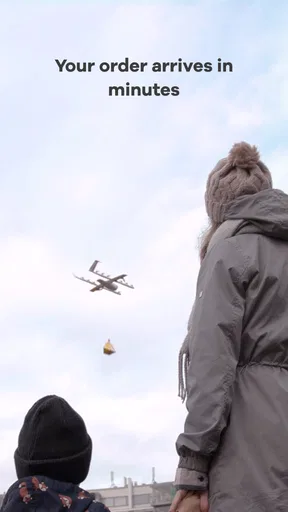
 Analysis by AppCompare
Wing turns a familiar shopping problem into something that feels surprisingly futuristic: getting a small order brought to your home by drone. I reviewed it as a shopping app from Wing Aviation LLC, and my impression is that its value depends less on browsing a huge catalog and more on whether your location, order size, and timing suit drone delivery. When those pieces line up, the experience can be wonderfully direct. When they do not, the app is much less useful than an ordinary store or delivery service.
The app is free and aimed at everyone, which makes it easy to try without treating the download as a major commitment. It was released on June 9, 2021, and has built a 4.8 average from around 3.7 thousand ratings, with over 100 thousand installs. Those figures suggest that the concept has found an audience, but they should not be mistaken for a guarantee that the service works in every neighborhood. Drone delivery is inherently location-dependent, so the first question is not “What can I buy?” but “Can Wing serve my home?”
From a shopping need to a doorstep handoff
I find the most useful way to judge Wing is to follow the errand from the moment I notice something is missing to the moment it reaches my home. That makes the key trade-off clear: a quick flight helps only when the address, order, and receiving moment all fit. I’d begin by checking whether the service can reach me, then consider what makes a small delivery worth choosing over a familiar trip to the store.
It starts with the delivery address
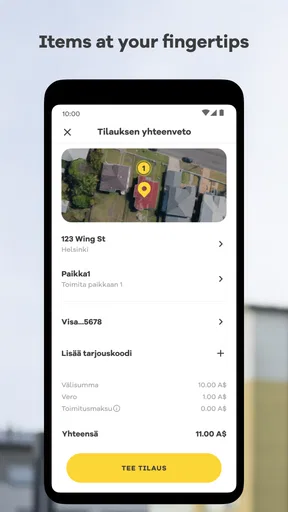
The most important part of the workflow happens before shopping begins. I would start by entering the home address and checking whether Wing recognizes it as a serviceable destination. This is a more meaningful first step than opening a normal shopping app, because the delivery method is tied to the physical location. A conventional retailer may let me fill a cart and decide on shipping later; Wing makes the delivery area part of the decision from the beginning.
That makes the app especially interesting for people who live near an active drone delivery area and want a quick top-up rather than a large weekly shop. It is a natural fit for a forgotten ingredient, a small household item, or something needed soon. It is less suitable when I am planning a broad grocery run, comparing dozens of brands, or ordering anything that would normally arrive in a large box.
I also think the address check is where users should set realistic expectations. A map pin or a recognized address does not automatically mean every possible landing situation will be effortless. Homes differ in gardens, balconies, driveways, trees, overhead obstacles, and available space. The app can make the request simple, but the final handoff still depends on the destination being practical for the aircraft and the people receiving the order.
Choosing an order without treating it like a supermarket
Once the service is available, I would approach the catalog with a deliberately narrow goal. Wing works best when I already know what kind of small purchase I need. Instead of wandering through the app as I might in a large supermarket marketplace, I would look for a fast solution to a specific problem: something for breakfast, a missing cooking item, or a modest convenience purchase.
Worth Reading Before You Choose

EA SPORTS FC Mobile 26 Is a Bigger Football Game, but It Takes Time

Flipboard Shows What News Apps Must Do Beyond the Feed

Switching to Android Auto Means Rethinking Your Driving Routine

Google Calendar Makes a Crowded Week Easier to Manage

Ludo King Makes the Most of the Minutes Between Plans

Baby Panda World Brings Quick Play to Modern Phones, but Its Game Library Feels Busy
This is one of the app’s less obvious strengths. The drone is not merely replacing a van with a smaller aircraft; it changes the reason to order. The appeal is avoiding a trip for a limited item, not moving an entire household’s shopping routine into the sky. That distinction helps prevent disappointment. If I expect a complete weekly shop, the order will feel constrained. If I see it as a rapid bridge between “I need this” and “I have this,” the experience makes more sense.
Before confirming, I would check the selected items, the destination, and the delivery details carefully. With a normal delivery, a mistake can sometimes be corrected by asking a driver at the door. A drone handoff is more structured, so it is worth making sure the order is accurate before sending it on its way. I would also avoid placing an order while I am about to leave home, since the usefulness of the service depends on being present and ready for the arrival.
The order moves through several handoffs
The visible part of Wing is the mobile ordering experience, but the real workflow includes several handoffs. I choose the items and destination; the participating retail operation prepares the package; the delivery system takes responsibility for the flight; and I receive the order at the destination. Each transition matters because the app is coordinating a physical chain rather than simply displaying a digital purchase.
That chain explains why drone delivery can feel faster in one situation and less convenient in another. A short flight may be efficient, but the order still has to be selected, packed, dispatched, and received. I would not interpret “delivery in minutes” as meaning that every order appears instantly after tapping the final button. The promise is about the overall possibility of rapid delivery, while the actual experience depends on preparation and local operating conditions.
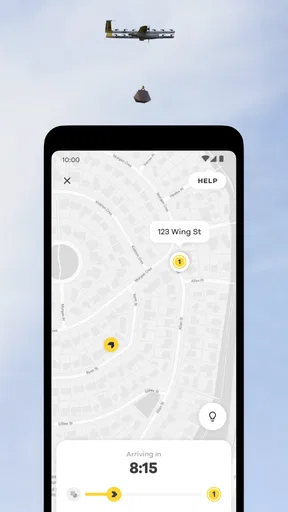
The handoff at home is also different from a driver leaving a bag at the door. I would pay attention to the app’s instructions and stay available rather than assuming the package will be handled like an unattended parcel. The important practical habit is to treat the arrival as an active moment: keep the phone nearby, watch for the delivery status, and make sure the intended receiving area is accessible and safe.
What the arrival feels like in everyday use
Imagine realizing that dinner is missing one modest ingredient shortly before cooking. I could drive to a shop, ask a conventional courier to bring it, or open Wing if my address is within its operating area. In that situation, the app’s benefit is not only speed. It removes the interruption of getting dressed, finding the car, parking, and walking through a store for one item. The order becomes a targeted rescue rather than a full shopping expedition.
I find that use case more convincing than the novelty alone. A drone arriving at home is memorable, but convenience is what determines whether I would use the app again. If the order is small, the item is genuinely needed, and the delivery area is reliable, the process can save real time. It is particularly appealing when leaving home would be disproportionate to the purchase.
There is also a useful mental shift here: I would plan the order around urgency and suitability, not around the maximum number of products I can place in a cart. That approach makes the final result feel intentional. The app is at its best when it solves a narrow problem cleanly, rather than when I try to force it to behave like a general-purpose online supermarket.
The result is convenient, but not universal
My overall reaction is positive when I judge Wing on its own terms. It offers a distinctive way to complete a small shopping task, and the free app lowers the barrier to testing the service. The experience is more immediate than arranging a conventional delivery window, and it can be more convenient than making a short trip solely for one forgotten item.
However, convenience is conditional. The service is not a replacement for every form of shopping. A local store is usually better when I need to inspect products, choose among many alternatives, buy a large quantity, or solve a problem immediately without depending on a particular delivery area. A standard courier may be preferable for a bigger package or for an order that does not suit a drone handoff. Wing earns its place when the order is compact, the home is eligible, and speed matters more than broad selection.
The app’s 4.8 average and roughly 3.7 thousand ratings give it a strong public reception, while its install base of more than 100 thousand indicates that many people have been willing to try the idea. I would still read those signals as encouragement rather than a personal guarantee. Drone delivery is unusually sensitive to where a person lives, and a highly rated experience elsewhere may not translate perfectly to my own address.
Where the flow can break
The first possible break is eligibility. If the address is outside the active service area, the central feature is unavailable regardless of how appealing the app looks. This is why I would check coverage before building a shopping habit around it. For someone living far from an operating zone, a normal retailer or delivery app is the more practical choice.
The second break is the item itself. Wing is not the right tool for a large basket or a purchase that needs careful substitution. If one product is unavailable, I may need to rethink the order rather than expect the flexibility of a full supermarket trip. This makes it important to have a backup plan: either choose a suitable alternative in the app or use a nearby store when the exact item matters.
The third break is the destination handoff. A home with a clear, usable receiving area is a better match than a crowded location with obstacles or no convenient place to receive the package. I would not place an order while distracted, away from home, or unable to respond to delivery instructions. The service may be automated in the air, but the last few moments still require attention from the customer.
Timing can create another point of friction. The app’s appeal is rapid delivery, but I would avoid relying on it for an event where a delay would cause a serious problem. If dinner guests are already waiting or a time-sensitive need cannot tolerate uncertainty, buying the item in person may be safer. Wing is a useful convenience layer, not a reason to remove all contingency planning.
Small habits that make the experience smoother
My first practical tip is to use the app for a defined shopping mission. I would decide what problem I am solving before opening it, then keep the order focused. This reduces the chance of turning a quick delivery into an awkward attempt at a full grocery basket, and it makes it easier to judge whether the service actually saved time.
My second tip is to prepare for the receiving moment before confirming the order. I would choose a time when I can stay near the phone and make sure the destination is ready. This is a small change, but it addresses the difference between a drone delivery and a parcel that can sit outside for hours. The smoother the final handoff, the more the app’s speed becomes meaningful.
My third tip is to compare the total convenience, not just the flight time. I would consider the effort of leaving home, the importance of the item, the size of the order, and the reliability of the local service. For a single forgotten item, Wing may win easily. For several bags of groceries, a conventional shop may still be faster overall because it lets me complete everything in one visit.
A fourth useful trade-off is to distinguish novelty from repeat value. The first delivery may be exciting because the method is unusual, but I would judge repeat use by whether it consistently solves small errands. If I find myself opening the app mainly to watch a drone arrive, it may be entertaining but not especially useful. If it reliably prevents unnecessary trips, then it has earned a place in my regular routine.
Who should try it, and who should skip it?
I would recommend Wing to people who live in a supported area, value quick small deliveries, and are comfortable following a more structured receiving process. It is a particularly good match for busy households that occasionally run out of one item, people who cannot easily make a short store trip, and curious users who want to test a different approach to local shopping.
I would be more cautious recommending it to anyone who needs broad product choice, large quantities, precise control over substitutions, or guaranteed availability at a specific moment. It is also a poor fit if the home is difficult to access for a drone handoff or if the user expects to place an order and immediately leave. In those cases, a conventional store, supermarket delivery service, or ordinary courier provides a more predictable workflow.
Wing Aviation LLC has made the app approachable as a free shopping download with an Everyone age rating, and that simplicity is welcome. Still, the most important decision is practical rather than technical: can this particular home, order, and moment benefit from drone delivery? Once I answer that honestly, the choice becomes straightforward.
My final take on the complete workflow
I like Wing because it makes a narrow task genuinely different. I begin with a small need, check whether my address is suitable, choose an order that fits the delivery method, stay ready for the handoff, and receive a result without making a separate trip. That flow is satisfying when every stage lines up, especially for the kind of forgotten item that would otherwise interrupt the day.
The app is not a universal substitute for shops or established delivery services, and its limitations are part of its identity. Coverage, order suitability, preparation, and the final receiving step all matter. My recommendation is therefore specific: try it if you are in an eligible area and want a fast solution for compact, everyday purchases. Skip it for large, complex, or highly time-sensitive shopping. Used with those boundaries in mind, Wing - Drone delivery feels less like a gimmick and more like a practical tool for the right kind of errand.
Pros
- Real-time order tracking keeps you informed about the drone’s progress.
- Contactless delivery can be convenient for quick
- lightweight orders.
- Innovative service offers a glimpse at the future of local delivery.
- Delivery updates help you prepare for the drone’s arrival.
- Useful for avoiding traffic and reducing conventional delivery delays.
Cons
- Availability is limited to selected locations and participating retailers.
- Weather conditions may postpone or cancel a scheduled drone delivery.
- Orders are restricted by weight
- size
- and approved delivery zones.
- You may need a suitable outdoor drop-off area at your address.
- The app’s usefulness depends on nearby Wing drone service coverage.
FAQs for Wing - Drone delivery
What is Wing – Drone Delivery, and how does it work?
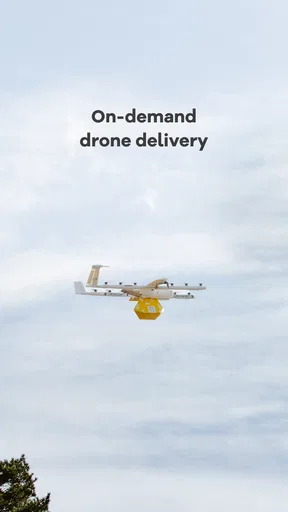
Wing – Drone Delivery is a delivery service that uses autonomous aircraft to transport selected items from local businesses to eligible addresses. After placing an order through the Wing app, the drone collects the package, flies to the delivery location, and lowers it carefully to the ground using a tether. The service is designed for quick, contactless delivery rather than traditional door-to-door courier service.
Is Wing – Drone Delivery available everywhere?
No. Wing is only available in selected locations where the company has established operating zones and received the necessary aviation and local approvals. Availability can also depend on your exact address, weather conditions, delivery distance, and participating stores. After installing the app, enter your address to check whether service is supported in your area and which businesses can deliver to you.
What can I order through the Wing app?
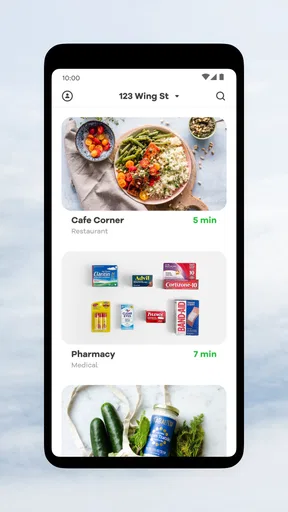
The available products depend on the stores and restaurants operating in your local Wing service area. Typical options may include food, snacks, groceries, pharmacy items, convenience products, and other lightweight goods. Each item must meet Wing’s size and weight requirements, so the catalog is more limited than a standard delivery platform. The app shows eligible products, estimated delivery times, and applicable fees before checkout.
How does a Wing drone deliver my order safely?
Wing drones are designed to fly autonomously while being monitored by trained operators and supported by safety systems. When the aircraft reaches the destination, it does not usually land in the yard or driveway. Instead, it hovers at a suitable height and lowers the package with a tether to an approved drop-off point. Users should keep people, pets, vehicles, and obstacles away from the delivery area.
How much does Wing delivery cost, and what happens if there is bad weather?
Delivery pricing varies according to your location, retailer, order, and current service conditions, and the app displays the total cost before you confirm payment. Severe weather, strong winds, technical issues, or airspace restrictions may delay or cancel a delivery because flight safety takes priority. If the service cannot complete your order, the app should provide status updates and explain the available refund or reorder options.


